

Internal Systems Navigation
Making complex platforms usable for support and investigation
A growing eCommerce subscription business relied on Shopify and StayAI to manage orders and subscriptions.
While the platforms were powerful, they were not intuitive for new or non-technical team members — especially those handling customer service and account investigations rather than business configuration.
New team members could log in, but they didn’t know:
where to look
what information mattered
what actions were safe
or when to escalate
The tools existed. The understanding didn’t.
Context:
Customer service required frequent investigation into:
order status
subscription state
billing events
shipment history
But platform complexity created risk:
accidental changes to orders or subscriptions
misinterpretation of backend data
reliance on senior team members to “double check”
slow response times due to uncertainty
The system worked — but only if you already knew how it worked.
The Problem:

Rather than documenting the platforms broadly, I created a task-specific navigation system focused on customer service and research workflows.
The emphasis was on:
“What do I look at, and what does it tell me?”
Key elements included:
1. Scope boundaries
The SOP explicitly documented:
what support staff can safely do
what requires escalation
what should never be changed
This removed hesitation and prevented mistakes.
2. Visual, step-by-step navigation
I documented:
where to search for orders
how to distinguish one-off vs subscription orders
how to move between Shopify and StayAI
where to verify history, refunds, and fulfillment events
Every step was paired with screenshots so a new user could orient themselves immediately.
3. Backend vs customer-facing perspective
The SOP taught staff how to:
view the customer-facing subscription portal
compare it with backend records
understand discrepancies from the customer’s point of view
This reduced miscommunication and improved explanations.
4. Investigation-first mindset
The system framed support as confirmational, not reactive:
verify before responding
investigate before escalating
understand system records before making claims
Clear escalation paths were documented when records conflicted or errors persisted.
The Approach:
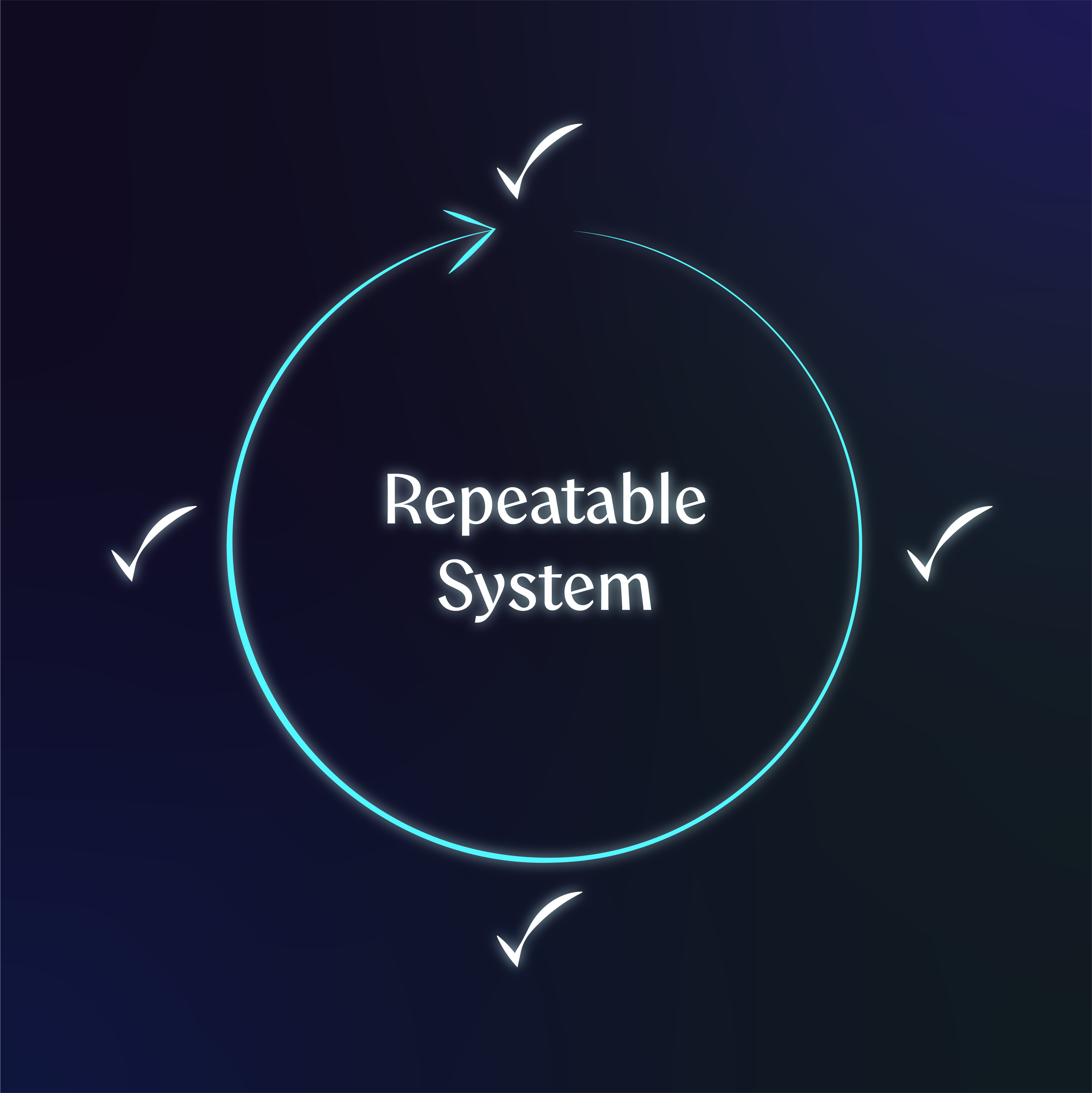
The result was a navigation and investigation system that:
reduced reliance on senior staff
lowered the risk of accidental changes
made complex platforms approachable for new hires
sped up customer support resolution through clarity
Instead of memorizing tools, staff learned how to reason about what they were seeing.
The Outcome:
Why This Matters:
Many teams mistake “having tools” for “having systems.”
This project shows how I approach internal clarity:
defining safe boundaries
translating platform logic into human logic
documenting use cases, not features
designing for people who weren’t there when the system was set up
The tools will change.
The clarity model transfers.